Democratizar la justicia en las reclamaciones por incapacidad del Seguro Social.
En el corazón del noroeste de Arkansas, una innovadora empresa de tecnología legal está cambiando el panorama de las reclamaciones por discapacidad del Seguro Social. LexMed, fundada por Nick Coleman y a la que se unió Phillip Cannon, está aprovechando la tecnología de inteligencia artificial de vanguardia para agilizar el proceso de reclamos por discapacidad, a menudo complicado y que requiere mucho tiempo.
La génesis de LexMed
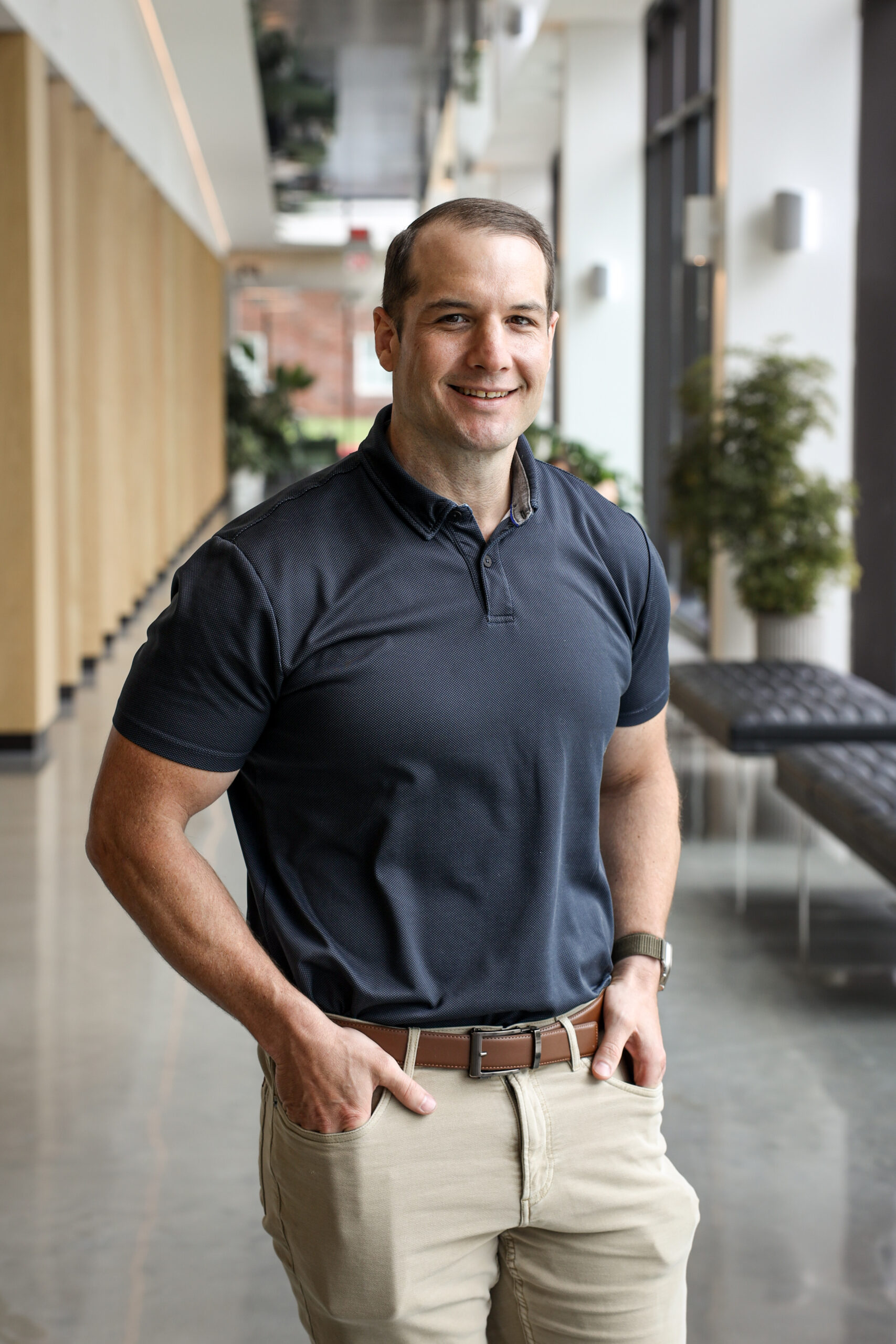
Nick Coleman
Nick tiene profundas raíces en la profesión jurídica. Al crecer en la ciudad de Blytheville, en el delta de Arkansas, Nick conoció la práctica de la abogacía por primera vez gracias a su padre, un abogado litigante local. Esta exposición temprana sentó las bases de su propio futuro como abogado.
After law school, Nick decided to settle in Northwest Arkansas, drawn by the area's natural beauty and outdoor activities. His legal career took a significant turn when he joined a large volume Social Security disability practice in 2012.
"I handled anywhere from 200 to 300 cases a year and traveled all around Arkansas,” he recalled. “I’d spend 40,000 miles each year on my car.” This intense workload provided Nick with extensive exposure to Social Security disability cases, allowing him to develop a particular expertise in the field, especially in appellate work.
As Nick gained experience in the field of Social Security disability law, he began to recognize significant inefficiencies in the process. The sheer volume of medical evidence that needs to be reviewed for each case, coupled with the complexities of navigating the Social Security Administration's bureaucracy, creates a challenging environment for attorneys and their clients.
"You're dealing with the bureaucratic nightmare, which is the Social Security Administration. Everything about it is really complicated—everything about the process, from communicating with the agency to working with your clients and getting the critical information you need to effectively advocate for them. It's just chaotic," Nick explained.
One of the most time-consuming aspects of disability cases is reviewing extensive medical records. Nick described the traditional process: "Think of a 2,000 page medical record. It takes hours to review. And the current way of getting through it is ‘Control F’ looking for words like restricted range of motion, abnormal gait. And so we first wanted to find a way to pull all this critical information and match it.”
Otro problema importante para los abogados es la necesidad de revisar las grabaciones de audio de las audiencias. Estas grabaciones suelen ser largas y estar llenas de preguntas repetitivas, lo que hace que su revisión sea una tarea tediosa para los abogados, especialmente después de un largo día de múltiples audiencias. Algunas firmas manejan entre 25 y 30 audiencias cada mes.
Al reconocer estos desafíos, Nick vio la oportunidad de aprovechar la tecnología para agilizar el proceso. Inicialmente, LexMed se centró en desarrollar un sistema para revisar de manera eficiente los registros médicos y hacer coincidir la información crítica con las regulaciones relevantes. Sin embargo, pronto se dedicaron a abordar otra necesidad apremiante: transcribir y analizar grabaciones de audiencias.
LexMed's innovative solution uses AI and natural language processing to quickly transcribe hearing recordings and provide attorneys with a searchable, written record of the proceedings. But they didn't stop there.
"We're taking it a step further where we'll have an audit program that comes with the transcript and gives you the critical pieces of evidence that you need,” he explained. “If you do a post-hearing objection right after the hearing, you can send it to the judge, ‘Hey, this happened at the hearing. The expert’s testimony is not consistent with these resources.’ You build the record for the appeal and it gives you a better chance of success.”
Esta característica avanzada no sólo ahorra tiempo a los abogados sino que también mejora su capacidad para defender a sus clientes al identificar rápidamente inconsistencias o errores en el testimonio de los expertos.
La columna vertebral tecnológica: Phillip Cannon sobre unirse a LexMed
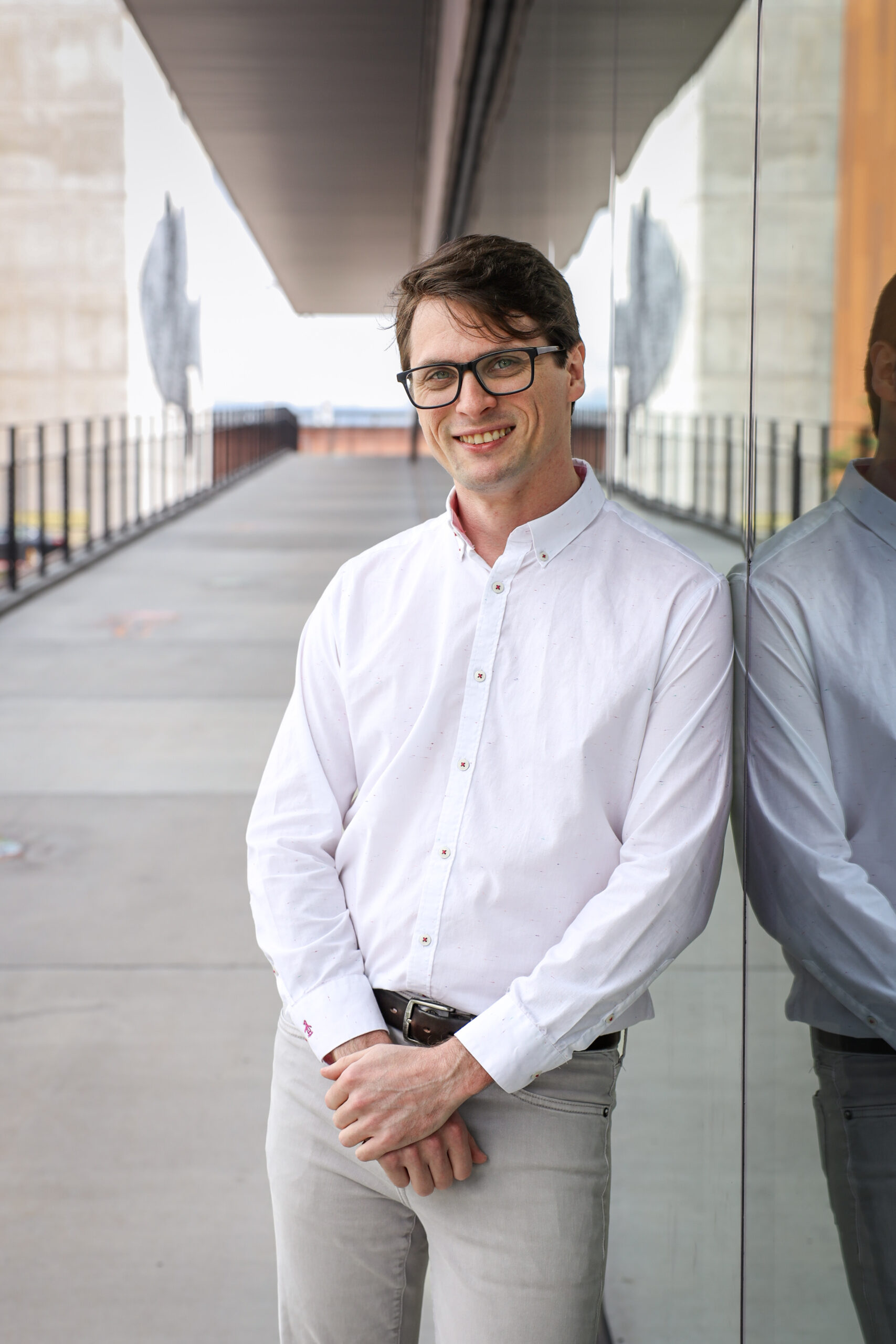
Felipe Cañón
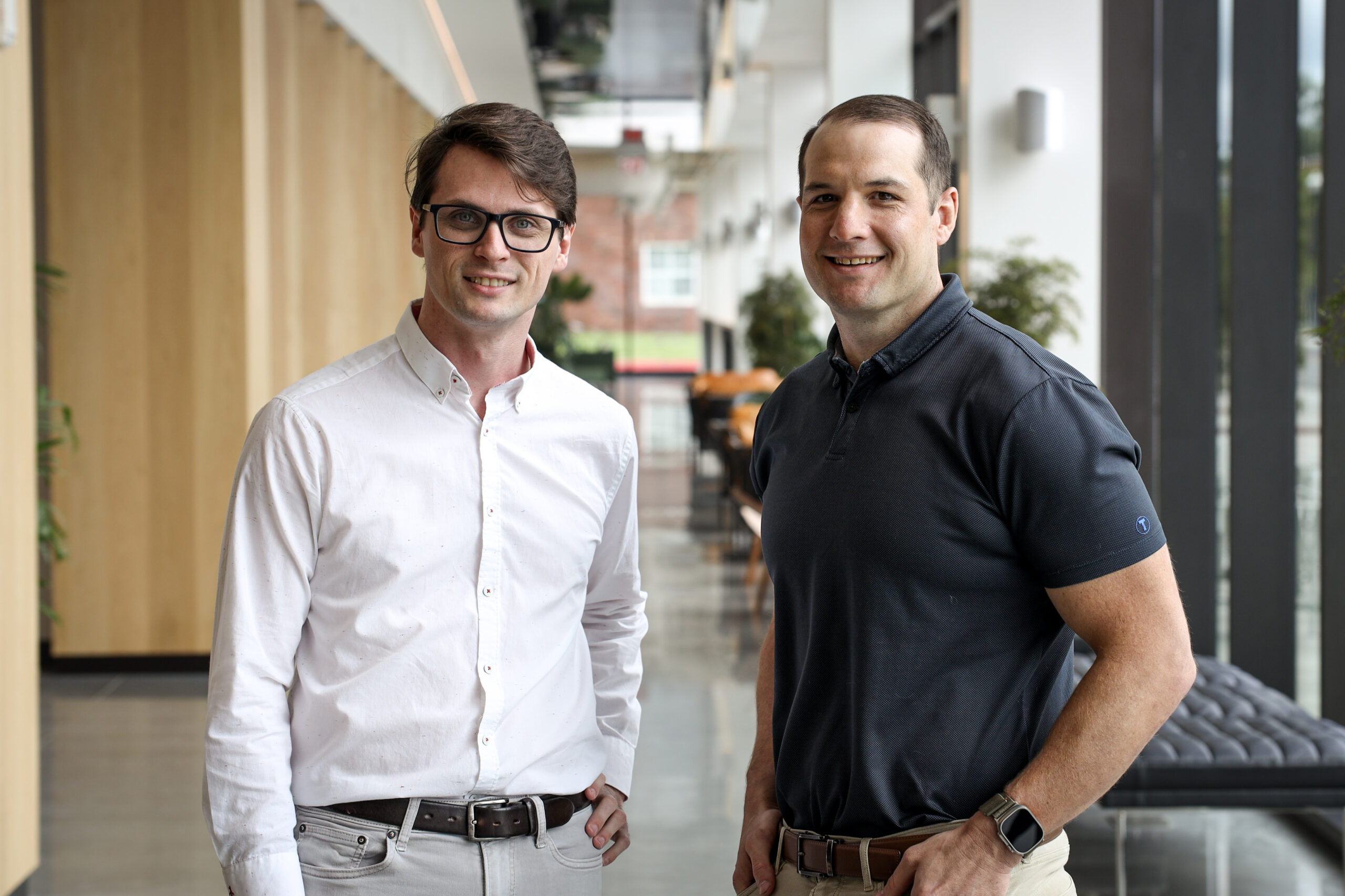
Si bien Nick aporta su experiencia y visión jurídica a LexMed, el conocimiento tecnológico proviene de Phillip Cannon. Phillip, que creció en el centro de Arkansas, encontró su pasión por la informática mientras estudiaba ingeniería en la Universidad de Arkansas en Fayetteville.
"I ended up taking computer science as elective and loved it so much that I just went the rest of the way through with that," Phillip shared. His background includes working for various startups in the area, including a medical software company and SupplyPike. This experience provided him with valuable insights into modern web development and the startup ecosystem.
Phillip's journey to LexMed was serendipitous. He explained, "I got connected to Nick through his wife, Kelsey. She was a coworker of mine at Ox, and she told me that Nick was working on some really cool AI stuff, and I'd been looking for something like that.” This connection came at a perfect time, as Phillip had recently decided to pursue AI full-time, recognizing the paradigm shift occurring in the tech world.
El programa ARise y hacer negocios en Arkansas
Nick's early conversations with mentors like Jeff and Brett Amerine from Startup Junkie ayudó a dar forma a la dirección de LexMed. Creían que LexMed sería un gran candidato para el nuevo programa ARise.
Surgir, que significa Arkansas Innovators, Startups and Entrepreneurs, apoya a las empresas tecnológicas y a las empresas emergentes habilitadas por la tecnología en Arkansas conectándolas con capacitación, consultoría y recursos en todo el estado para hacer crecer sus negocios con éxito.
Tanto a Nick como a Phillip les apasiona desarrollar su negocio en Arkansas. Ven el estado, particularmente el noroeste de Arkansas, como un terreno fértil para las nuevas empresas tecnológicas.
"The support for startups and entrepreneurs is growing, especially in Northwest Arkansas,” he observed. “I've seen it. There’s a lot of community support. The state of Arkansas is going to continue growing. And along with that, its technological presence is going to keep growing."
Arkansas' unique position as a state with one of the highest per capita disability recipient populations also makes it an ideal location for LexMed. Nick saw this as an opportunity for their technology to make a significant impact: "I think we’ll ultimately help the state. I think that's one piece of the puzzle, how a program like this doesn’t just help Social Security claimants, but specifically Social Security claimants in the state of Arkansas."
Una misión personal
For Nick, LexMed's mission is deeply personal. He shared a poignant story about his mother, who suffered from a debilitating muscular degenerative condition and was a recipient of Social Security disability benefits. This experience opened his eyes to the disparities in access to resources for disability claimants.
"One of the reasons she was able to get access to benefits fairly quickly was because my dad's an attorney, and she had resources available to her that many other people do not have," Nick reflected. "I want everybody to have access to a zealous advocate who can help them and equal the playing field so that everybody has access to resources in times of need.”
El futuro de LexMed
As LexMed continues to grow and refine its technology, the team remains committed to their mission of democratizing justice in the realm of Social Security disability claims. Their innovative use of AI and natural language processing is not just about creating efficiencies for attorneys; it's about ensuring that every claimant, regardless of their resources, has the best possible chance at receiving the benefits they deserve.
La startup está trabajando actualmente con firmas de abogados en todo Arkansas como probadores beta y primeros usuarios, ayudando a solucionar cualquier problema en el sistema. A medida que perfeccionan su tecnología y amplían su alcance, LexMed tiene el potencial de revolucionar la forma en que se manejan las reclamaciones por discapacidad en todo el país.
LexMed represents the exciting intersection of legal expertise, cutting-edge technology, and a deep-seated commitment to social justice. By addressing the pain points in the Social Security disability claims process, Nick and Phillipare not only building a successful startup, they're also working to create a more equitable legal system for all. As they continue to grow and innovate in the heart of Arkansas, LexMed stands as a shining example of how technology can be harnessed to solve real-world problems and make a meaningful difference in people's lives.
 Spanish
 English
 Korean